The Nutrition for ADHD, Autism & Anxiety Summit is FREE online from April 13-19, 2020


By submitting this form, I consent to receive offers and related promotional commucations from the Nourishing Hope Summit. I can withdraw consent at any time. Your Privacy Rights.
When you register today, you'll gain INSTANT access to the following free gifts:
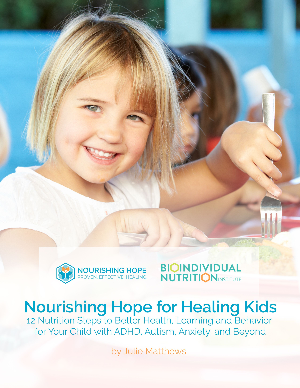
E-book
It's easy to get started -- just sign up and start transforming your business.
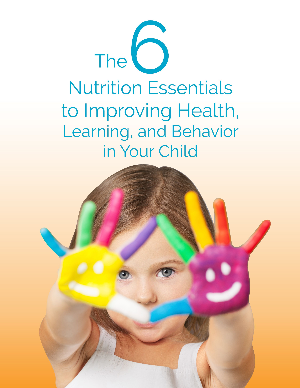
Free Guide
When you sign up, we'll schedule you in for 2 free hours of training!
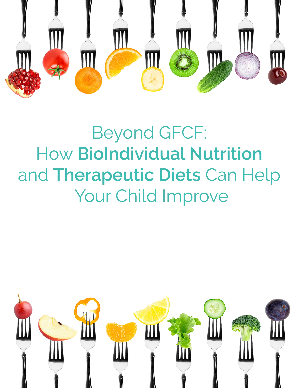
PDF
Check out our most newest releases and most popular features here.

Summit Host: Julie Matthews, CNC
Certified Nutrition Consultant and Educator
Certified Nutrition Consultant and Educator
Since 2002, Julie Matthews is a leading expert in the science and application of therapeutic diets and nutrition for autism, adhd, and related childhood disorders. Her award winning book, Nourishing Hope for Autism, guides parents and practitioners to make food and nutrition choices that improve symptoms, and Julie is co-author of "gold standard" scientific research that substantiates her approach.
She founded Nourishing Hope and BioIndividual Nutrition Institute to further the practice of customized diet and nutrition. Read Julie's bio..
Do you wonder if foods are affecting your child?
Do you worry about your child's nutrition?
Do you worry about your child's nutrition?

You are not alone. Two-thirds of parents worry about their child's nutrition. And for understandable reasons: Poor nutrition can have long term ramifications.
Most children with ADHD, autism, anxiety, and neurodevelopmental disorders suffer physical health issues, as well as neurological symptoms (learning and behavior) related to what they eat.
Because the body and brain are connected, as a parent, you can positively influence childhood disorders by making very strategic diet and nutrition choices.
By submitting this form, I consent to receive offers and related promotional commucations from the Nourishing Hope Summit. I can withdraw consent at any time. Your Privacy Rights.
Research shows that NUTRITION helps with...

Autism symptoms
Cognition/Thinking
Play Skills
Expressive Language/Speech
Receptive Language/Comprehension
Attention/Focus
Aggression
Stools/GI Problems
Sociability
Eye Contact
Sleep
Seizures
Anxiety
Self-Abusive
Irritability/Mood
Hyperactivity
Tantrums/Meltdowns
Depression
Who should attend this Summit?

Parents

Individuals

Health Professionals

Researchers
Who will this Summit benefit?
Children and Adults with...
Autism
ADHD
Learning Delays
Anxiety
Neurodevelopmental Delays
Down Syndrome
Depression or Mood
Defiance/Aggression
Eczema and Asthma
Digestive Disorders
Sleep Disturbances
Tourette's/Tics
SUMMIT SCHEDULE
Day 1 - How nutrition helps children: The science
Food Matters for ADHD and Autism
by Julie Matthews, CNC
Anxiety affects most children with autism. Learn how to reverse anxiety with diet, nutrients, and amino acids like tryptophan, GABA and inositol. Also learn how other mood and behaviors symptoms like aggression and OCD can be improved with similar approaches (as well as other root causes to consider).

Foundations of Good Health and Nutrition from a Pediatrician
by Joel Warsh, MD
Anxiety affects most children with autism. Learn how to reverse anxiety with diet, nutrients, and amino acids like tryptophan, GABA and inositol. Also learn how other mood and behaviors symptoms like aggression and OCD can be improved with similar approaches (as well as other root causes to consider).

The Whole Body Approach to Autism
by Martha Herbert, MD, PhD
Autism is not simply a brain disorder… Autism is a whole body disorder that affects the brain. This interview provides Pediatric Neurologist's perspective of the body/brain connection and what you can do to improve your child's condition, including the role of food in healing.

The Scientific Evidence Linking Nutrition and Autism Improvement
by James Adams, PhD
We will discuss the scientific studies supporting a diet and nutrition approach to autism. We will share the research on nutrient deficiencies and what happens when you replenish them, the microbiome and the benefits seen when balancing it, and food reactions and the improvements seen with special diets. This talk is for every parent that was told by their doctor that there is no research on diet for autism… hint, they are wrong.

What to Know About Methylation to Help Your Kid
by Ben Lynch, ND
Methylation affects neurotransmitter activity, allergy response, mitochondrial function, and many more processes, and is found to be impaired in autism. Research shows more genes than MTHFR are affected. We will decipher the research and make it applicable to real life so you can discover what you can do to help improve methylation, symptoms, and health.

Day 2 - Heathy Eating and Help for Picky Eaters
Nourishing Hope for Picky Eaters
by Julie Matthews, CNC
Don’t give up on diet. If you are missing one important principle, it will mask your success, and make all the difference. And it’s highly likely your doctor does not know about: oxalates, salicylates, amines, histamine, and glutamate - these food molecules can significantly affect autism symptoms, behavior and healing. Discover what you need to know about the underlying factors that affect children reaction to certain foods, and what you can do about it.
Gluten-free Casein-free Diet Essentials
by Tom Malterre, MS
Are wheat and dairy foods “all” that you child eats? There is a reason for this. Discover why they are so addictive and how language delays and behavioral issues can result. And most importantly, learn how you get your child on a GFCF diet even if that’s all your child eats right now.

Picky Eating Dynamic and Power of Cooking
by Katie Kimball
by Katie Kimball

How You Can Use The Healing Properties of Camel’s Milk for Autism
TBD
Camel’s milk is like no other milk. You’ll learn the unique and powerful immune system properties and nutrient benefits of this milk, from an animal known to endure extreme conditions. And how it helps with autism, even when you can’t tolerate other milk.

Food is Medicine: Inspiration from a chef?
by Pete Evans
Does your child love carbs and sugar? Are you frustrated because most of their diet consists of these empty calories and you don’t know how to feed them nutritious foods? There are things you can do to change their diet… And the secret is that it starts with addressing the underlying causes and reasons for the behavior. Once you learn how to address these, you can change your child’s diet without tears (from either of you).

Day 3 - Exploring nutrients and supplementation
Supplements 101: What you need to know
by Barry Smelter, PA
Does your child have food aversions? Are they turned off by the texture, smell, or even sight of a food? There are biochemical reasons for picky eating that can’t be solved by simply offering a food over and over. Learn how you can address the underlying reasons for picky eating so your child can enjoy a more nutritious diet without the stress and struggle.

Magnesium and Low Dose Lithium for ADHD, anxiety, agression, and mood
by Felice Gersh, MD
by Felice Gersh, MD

Sulfate: Why this mineral is so important for ADHD and autism and what you can do
by Stephanie Seneff, PhD
by Stephanie Seneff, PhD

Down syndrome nutrition support
by Dr. Erica Peirson, ND
by Dr. Erica Peirson, ND
Optimizing methylation, brain chemistry and the great value of customizing vitamins, minerals and amino acids to target and optimize results
TBD
TBD
Day 4 - Improving mood, learning, and behavior
Calming anxiety, aggression, and OCD (through amino acids and food)
Anxiety affects most children with autism. Learn how to reverse anxiety with diet, nutrients, and amino acids. Also learn how other mood and behaviors symptoms like aggression and OCD can be improved with simple nutrients and dietary strategies (as well as other causes to know about).

How to Dramatically Improve Behavior Through Nutrition
by Nicole Beurkins, PhD
Is your child receving behavioral therapy, speech therapy, or another therapeutic support? Have you seen vast improvement? These can be important to support children with autism. However, often more is needed to get the best results from therapy, and that involves supporting the child's biochemistry through nutritional and biomedical support. Learn how to take your child's development to the next level.

Improving ADHD by eliminating food sensitivities
by Darin Ingels, ND
Essential oils for ADHD and anxiety
TBD
Essential oils are one of the easiest ways to reduce cortisol and stress. They are easy to use and effective, but they can also cause negative symptoms in certain children. Discover the science of essential oils and learn how you can use them to help your child (and what to be aware of when they are not right for your child).
Cannabis for autism and anxiety
by David Berger, MD
Cannabis is no longer about getting high and the stigma associated. Cannabis has powerful neuroprotective qualities, and has helped very sick children be relieved of their seizures and feel better. Learn how cannabis and CBD work on a molecular level and how it can help your child.

Day 5 - Using therapeutic diets for BioIndividual Nutrition (Nutritionist/Practitioner Day)
BioIndividual Nutrition for Autism, ADHD, and Anxiety
by Julie Matthews, CNC
Diet is an important step toward healing. But with so many choices, all of them claiming they are the “one,” what diet should you do choose? The truth is there is no one-size-fits-all diet. The diet that’s right for an individual must be customized to their unique needs. Learn how certain symptoms can tell you which foods are not tolerated and which diet to do.
Oxalates, the Inflammasome, and Autoimmunity
by Susan Owens, MS
Oxalates have long known to create inflammation and oxidative stress in the body, as well as impair mitochondrial enzymes. More recently, it has been discovered that oxalate activates inflammasomes. Inflammasome activation creates ongoing inflammation in the body and is implicated in many other chronic diseases, including autoimmune diseases, Parkinson’s disease, and Alzheimers. We will explore the research into oxalates and autism, as well as the interplay of inflammasomes and mitochondrial function.

Wahls Protocol for children with special needs
by Terry Wahls, MD
Is the Ketogenic Diet Right for a Child?
by Dominic D’Agostino, PhD
The ketogenic diet has been touted as a solution for everything from metabolic conditions to seizures, and there are some good research studies supporting it's use. But is a ketogenic diet the right diet for a child? Learn everything you need to know about ketosis and the ketogenic diet, and when it is right, and isn’t right, for a child with autism.

Body Ecology, genetics, and pregnancy nutrition for a healthy child
by Donna Gates
Day 6 - Supporting the gut, immune, and whole system
Probiotics for Gut and Brain Health
by Kiran Krishnan
The "Dirt" on the Real Problem That Your Doctor is not Telling You About (Mitochondrial Dysfunction)
by Maya Shetreat, MD
Over 30% of children with autism have mitochondrial dysfunction, and since mitochondria are the powerhouse of every cell, impairment affects every cell and organ system of the body. Learn what toxins, deficiencies, and even foods can damage and impair mitochondria, and what you can do at home to help your child, including one of the simplest solutions, dirt. We discuss how getting dirty through fresh food and time in nature can help with mitochondrial and neurological recovery.

The Immune System and Autism: Autism as a Neuroimmune Condition
by Elisa Song, MD
Strengthen and fortify your child’s immune system. Autism is a neurological condition where immune system issues are a root cause. The inability for the body to fight infections properly can cause symptoms of pain and discomfort, and chronic inflammation from a disregulated immune system cause biochemical chaos that impairs the brain. Discover more about what your doctor isn’t telling you about Lyme disease and PANDAS and inflammation in autism, and what you can do about it.

"Biomed for Autism"
by Kurt Woeller, DO

How Gluten May Be Harming Your Brain, Body and Autoimmunity (Even if You’re Gluten-Free)
by Dr. Tom O'Bryan
Discover how gluten can cross-react with tissues in your child’s body and brain causing autoimmune reactions and serious harm. Learn several ways you can react to gluten and how to test to see if it’s affecting your child.

Bonus: Stories of Hope – Moms’ Autism Recovery Panel
by Tara, Terri, Kristi, Beth
It is possible for children to recover from autism and lose their diagnosis. This panel consists of moms that have been in the same place you are now, and applied diet and nutrition strategies to heal their children. Terri and moms are here to tell you how they did it. And Beth Lambert share strategies she consistently sees to be effective.
Day 7 - Reducing toxins and pathogens to improve healing
Histamine, Mold and Mast Cell Activation Syndrome
by Jill Carnhan, MD
Mast Cell Activation Syndrome causes the release of histamine, a substance that causes chronic inflammation. Histamine released by the mast cells by exposure to mold or other toxins, can cause many significant symptoms in individuals with autism. This can be exacerbated by histamine containing and releasing foods. Discover what you need to about mold toxicity, histamine foods, and mast cell stabilization.

Understanding Lyme, Infections, Mold, and Heavy Metals
by Dietrich Klinghardt, MD
The are many environmental factors and serious complications that can result from exposure to the common diseases of our time. Don't let another day go by without understanding exactly all this means and how to avoid and recover from the deadly mixture of these illnesses.

PANDAS: a hidden cause of anxiety, OCD, definace and rage
by Dr. Roseann Capanna-Hodge and Tom Moorcroft, DO
Dangers of Glyphosate and GMOs
by Zen Honeycutt
Gluyphosate could be sabotaging your gluten-free diet. Glyphosate is a harmful substance, that's very high in many gluten-free foods. Many of the phyiological problems children with autism have could be caused by or exacerbated by glyphosate. Learn how it causes health problems, what foods it may be hiding in, and how to avoid it.

EMFs: How to reduce your child's exposure
by Nicolas Pinault
EMF’s are everywhere, and their effects can damage cells, biochemical processes, and our heath. Discover why EMFs are such a problem for children’s developing brain and how they can cause acute, daily symptoms. Learn how you can protect your family without feeling overwhelmed.


Food Matters for Autism
© 2018 NOURISHING HOPE SUMMIT | PRIVACY POLICY | MEMBERS LOGIN